
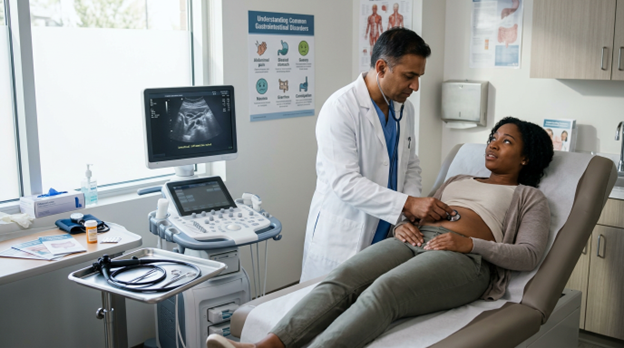
Gastroshiza is a rare congenital condition that affects newborn babies and occurs during early pregnancy. In this condition, a baby is born with an opening in the abdominal wall, usually located beside the belly button. Because of this opening, the intestines and sometimes other organs develop outside the baby’s body. The organs are not protected by skin or a membrane, which makes the condition serious and requires immediate medical care after birth.
Although the condition may sound frightening for parents, modern medicine has greatly improved the survival and recovery rates for babies born with gastroshiza. With proper medical care, early diagnosis, and specialized surgery, many infants grow up to live healthy lives. Learning about the condition helps parents, caregivers, and the general public understand how it develops and how it can be treated.
This article explains gastroshiza in a clear and simple way. It covers the causes, symptoms, diagnosis, treatment, and long-term outlook so readers can gain a complete understanding of this rare condition.
What Is Gastroshiza?
Gastroshiza is a birth defect that affects the abdominal wall of a developing baby. Normally, during pregnancy, a baby’s organs develop safely inside the abdomen and are protected by muscle and skin. In babies with gastroshiza, a small hole forms in the abdominal wall while the baby is still developing in the womb.
Because of this opening, the baby’s intestines grow outside the body rather than inside the abdomen. In some cases, other organs such as the stomach or parts of the liver may also extend outside the body. Unlike some other abdominal birth defects, the organs in gastroshiza are not covered by a protective membrane, which means they are directly exposed to the surrounding amniotic fluid during pregnancy.
Doctors consider gastroshiza a congenital condition, meaning it is present at birth. The condition does not usually occur because of something the parents did during pregnancy. Instead, it happens due to developmental changes that occur very early in fetal growth. Although the condition is rare, it has become more recognized in recent years due to improved prenatal screening and medical awareness.
How Gastroshiza Develops During Pregnancy
To understand gastroshiza, it helps to know how a baby normally develops in the womb. During early pregnancy, the abdominal wall forms as tissues grow and close around the developing organs. This process usually occurs during the first few weeks of pregnancy when the embryo is still very small.
In babies with gastroshiza, a small portion of the abdominal wall does not close completely. As the baby grows, the intestines move through this opening and develop outside the body. Because the organs are exposed to the amniotic fluid surrounding the baby, they may become irritated or swollen.
Researchers believe that this defect usually develops during the early stages of fetal growth, often before many women even realize they are pregnant. While scientists are still studying the exact biological processes involved, it is believed that blood flow problems or disruptions in the abdominal wall development may contribute to the condition.
Even though the organs develop outside the body during pregnancy, doctors can often detect the condition before birth through modern imaging technology. Early detection helps medical teams prepare for specialized care immediately after the baby is born.
Causes And Risk Factors
The exact cause of gastroshiza is still not fully understood. Medical researchers believe that several factors may contribute to the development of this condition, although in many cases no clear cause can be identified. It is generally considered a developmental issue rather than a hereditary disease.
One factor that researchers have noticed is maternal age. Gastroshiza appears to occur more frequently in younger mothers, especially teenagers and women in their early twenties. However, this does not mean older mothers cannot have a baby with the condition.
Environmental influences may also play a role. Certain lifestyle factors during pregnancy, such as smoking, alcohol use, or exposure to harmful substances, may increase the risk of developmental problems. Poor nutrition or lack of prenatal care may also contribute to complications during pregnancy.
Some scientists believe that reduced blood flow to the abdominal wall during early fetal development could prevent the tissue from closing properly. However, this theory is still being studied. Overall, gastroshiza is considered a rare condition that usually occurs randomly rather than being directly inherited from parents.
Signs And Symptoms Of Gastroshiza
The most obvious sign of gastroshiza is visible immediately after birth. The baby’s intestines are seen outside the abdomen through a small opening near the belly button. Because there is no protective covering, the organs may appear swollen or irritated.
Babies with gastroshiza may also experience digestive problems after birth. Since the intestines have developed outside the body, they may not function normally right away. This can cause feeding difficulties or problems with nutrient absorption during the first days or weeks of life.
In some cases, babies may have additional complications such as inflammation of the intestines or difficulty with bowel movements. However, many babies with gastroshiza do not have other major birth defects, which helps improve their chances of recovery with proper medical treatment.
Doctors usually treat the condition immediately after birth by protecting the exposed organs and preparing the baby for surgery. Early medical care is essential to prevent infection and support the baby’s recovery.
How Doctors Diagnose Gastroshiza
One of the most important advances in modern medicine is the ability to diagnose gastroshiza before the baby is born. Doctors can often detect the condition during routine prenatal ultrasound examinations. Ultrasound images allow healthcare providers to see the baby’s organs and identify whether the intestines are located outside the abdomen.
Sometimes doctors also notice higher levels of certain proteins in the mother’s blood during pregnancy screening tests. These changes can signal the possibility of a birth defect, which leads doctors to perform more detailed imaging tests.
Once gastroshiza is suspected, doctors usually monitor the pregnancy more closely. Expectant mothers may receive regular ultrasounds to check the baby’s growth and ensure the organs remain healthy. Medical teams also plan the delivery carefully so the baby can receive specialized care immediately after birth.
After delivery, doctors confirm the diagnosis through physical examination and may perform additional tests to check the baby’s overall health. Early diagnosis helps doctors prepare the necessary surgical and neonatal care required for the baby.
Treatment Options And Surgical Procedures
Treatment for gastroshiza begins immediately after birth. Doctors carefully place the exposed organs into a sterile protective covering to prevent infection and reduce fluid loss. The baby is then moved to a neonatal intensive care unit where specialists monitor breathing, temperature, and overall health.
Surgery is the main treatment for gastroshiza. In some cases, doctors can place the intestines back into the abdomen and close the opening in a single procedure shortly after birth. This approach is often possible when the baby’s abdomen has enough space to hold the organs safely.
However, some babies require a staged repair. In this method, doctors gradually place the organs back inside the abdomen over several days using a special medical pouch. Once the organs are safely inside, surgeons close the abdominal wall.
After surgery, babies usually remain in the hospital for several weeks while their digestive system recovers. During this time, doctors provide nutrition through intravenous feeding until the baby is able to digest milk normally.
Possible Complications And Long-Term Outlook
Like many medical conditions affecting newborns, gastroshiza can lead to complications if not treated quickly. The exposed intestines may become irritated or inflamed due to contact with amniotic fluid during pregnancy. This can sometimes affect how well the intestines function after birth.
Some babies may experience feeding difficulties or slow digestion in the early stages of life. In rare cases, intestinal blockages or infections may develop. Fortunately, with modern neonatal care and advanced surgical techniques, most complications can be managed successfully.
The long-term outlook for babies with gastroshiza has improved significantly over the past few decades. Many children who receive early treatment grow up to live normal and healthy lives. They may require occasional medical follow-ups during childhood to monitor digestion and growth.
Parents often feel worried when they first hear the diagnosis, but it is important to remember that survival rates are high when the condition is treated by experienced medical teams.
Practical Advice For Expecting Parents
For parents expecting a baby diagnosed with gastroshiza, preparation and support are very important. Regular communication with healthcare providers helps families understand the treatment plan and prepare for the baby’s arrival.
Choosing a hospital with neonatal intensive care facilities and experienced pediatric surgeons can make a significant difference in treatment outcomes. These medical centers have specialized equipment and trained staff who understand how to care for babies with complex birth conditions.
Parents may also benefit from speaking with other families who have experienced similar situations. Support groups and online communities often provide emotional encouragement and helpful advice. Learning about the condition in advance can reduce fear and help parents feel more confident during the treatment process.
It is also important for parents to take care of their own health and emotional well-being during this time. With the right medical team and supportive environment, families can navigate the challenges of gastroshiza more effectively.
Conclusion
Gastroshiza is a rare but serious congenital condition that affects the abdominal wall of newborn babies. The condition occurs when an opening forms in the abdomen during early fetal development, allowing the intestines to grow outside the body. Although the diagnosis may be alarming for parents, advances in prenatal screening, neonatal care, and surgical treatment have significantly improved outcomes.
Early diagnosis through ultrasound allows doctors to plan specialized care before the baby is born. After delivery, surgeons repair the abdominal wall and carefully place the organs back inside the body. With proper treatment and medical support, many babies recover well and go on to lead healthy lives.
Understanding gastroshiza helps parents and caregivers make informed decisions and prepare for the medical care their child may need. Continued research and awareness are also improving the way this condition is treated, giving families hope and reassurance for the future.
FAQ’s:
What Is Gastroshiza?
Gastroshiza is a rare birth defect in which a baby is born with a hole in the abdominal wall, usually near the belly button. Because of this opening, the intestines develop outside the baby’s body and require surgical treatment after birth.
What Causes Gastroshiza In Babies?
The exact cause of gastroshiza is not fully known. Researchers believe it may be related to early developmental problems during pregnancy, and certain risk factors such as young maternal age, smoking, or environmental influences may increase the chances.
Can Gastroshiza Be Detected During Pregnancy?
Yes. Gastroshiza can often be detected before birth through routine prenatal ultrasound scans. These scans allow doctors to see the baby’s organs and identify if the intestines are developing outside the abdomen.
How Is Gastroshiza Treated?
The main treatment for gastroshiza is surgery shortly after birth. Doctors carefully place the exposed organs back inside the abdomen and close the opening in the abdominal wall. Some babies may require staged procedures depending on their condition.
Can Babies With Gastroshiza Live Normal Lives?
Many babies with gastroshiza recover well after surgery and go on to live healthy lives. With proper medical care, monitoring, and follow-up treatment, most children grow and develop normally.
Looking for more? Explore other articles on our site.
Disclaimer
The information provided in this article about gastroshiza is for general educational and informational purposes only. It is not intended to replace professional medical advice, diagnosis, or treatment. While we aim to provide accurate and up-to-date information, medical conditions and treatments can vary for each individual.
